
Your inspection report
Understand your inspection report.
Use the findings, photographs and recommendations together with the inspection scope and limitations.
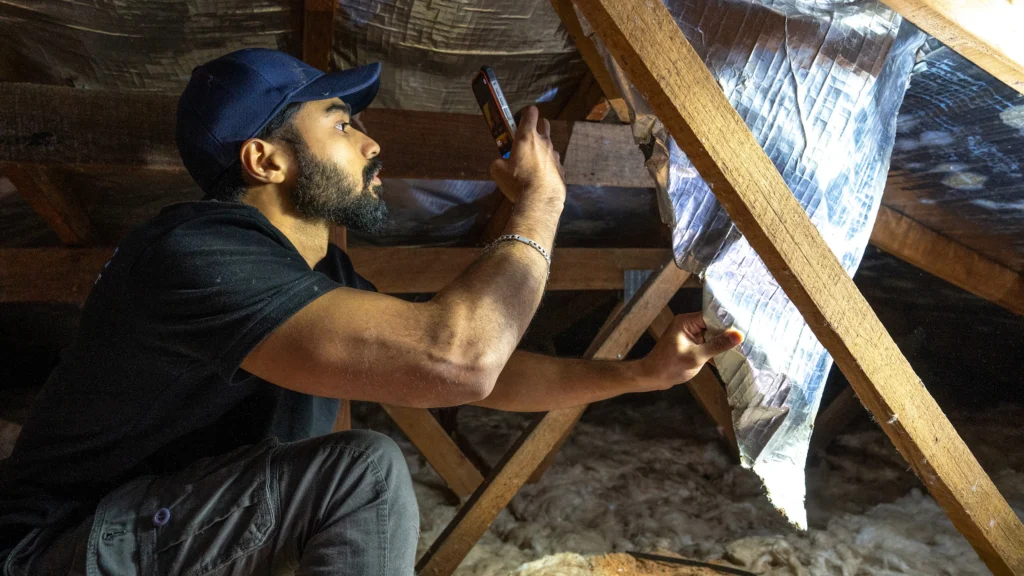
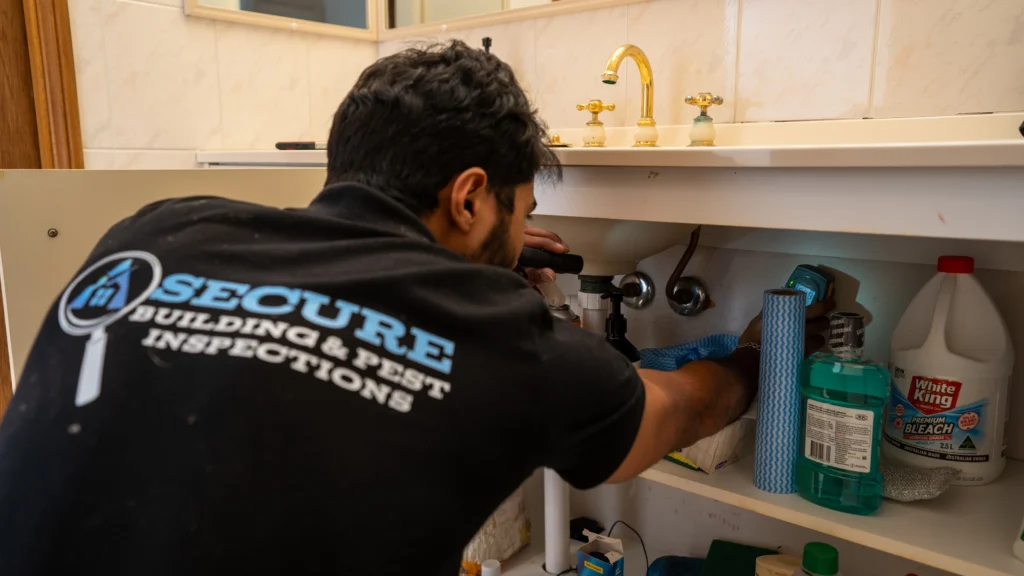
Useful information. Clearly explained.
A report you can actually use.
Understand the property’s condition and the questions to ask before your next decision.
- Know what was foundFindings and photographs presented in plain English.
- See what needs attentionRecommended next steps and further checks where needed.
- Understand the scopeAccessible areas, limitations and exclusions.
A practical reading checklist.
An inspection report describes observations within a particular scope and at a particular time. Start with the report’s purpose and property details before focusing on a list of defects. The same observations can mean different things for a buyer, seller or owner planning maintenance.
1. Read the scope and exclusions
Check which buildings and inspection types are included. A building inspection and a timber pest inspection assess different matters. A report does not automatically cover compliance, every service, common property or specialist testing.
2. Check the access limitations
Identify rooms, roof spaces, subfloors and other areas that could not be assessed. Restricted access is a limit on the information available, rather than a statement that the area is satisfactory. Ask what further investigation may be appropriate.
3. Read photographs with the findings
Photographs support the written observations. Read the explanation, location and recommendation together instead of judging a photograph in isolation. Clarify language you do not understand with the report provider.
4. Follow up on recommendations
Further investigation may involve a relevant specialist or access to an area not available during the inspection. Allow time for this advice before a purchase or auction decision where possible. Your solicitor, conveyancer or other adviser handles questions outside the physical inspection scope.
5. Keep the report in context
Condition can change after an inspection. Later repairs, weather, access changes or pest activity may affect the property. Do not treat an earlier report as a guarantee of current condition; discuss whether a new scope is needed for your decision.
Inspection questions
Useful answers before booking.
Send the property address, inspection type and deadline. Scope, fees, safe access, availability and report timing are agreed before booking.
No. Observations are limited by the scope, access and conditions at the time. Read the report’s exclusions and recommendations for further investigation.
A closer look
The right tools. Thoughtful interpretation.
Technology supports the inspection. Tool use is agreed for the inspection scope.
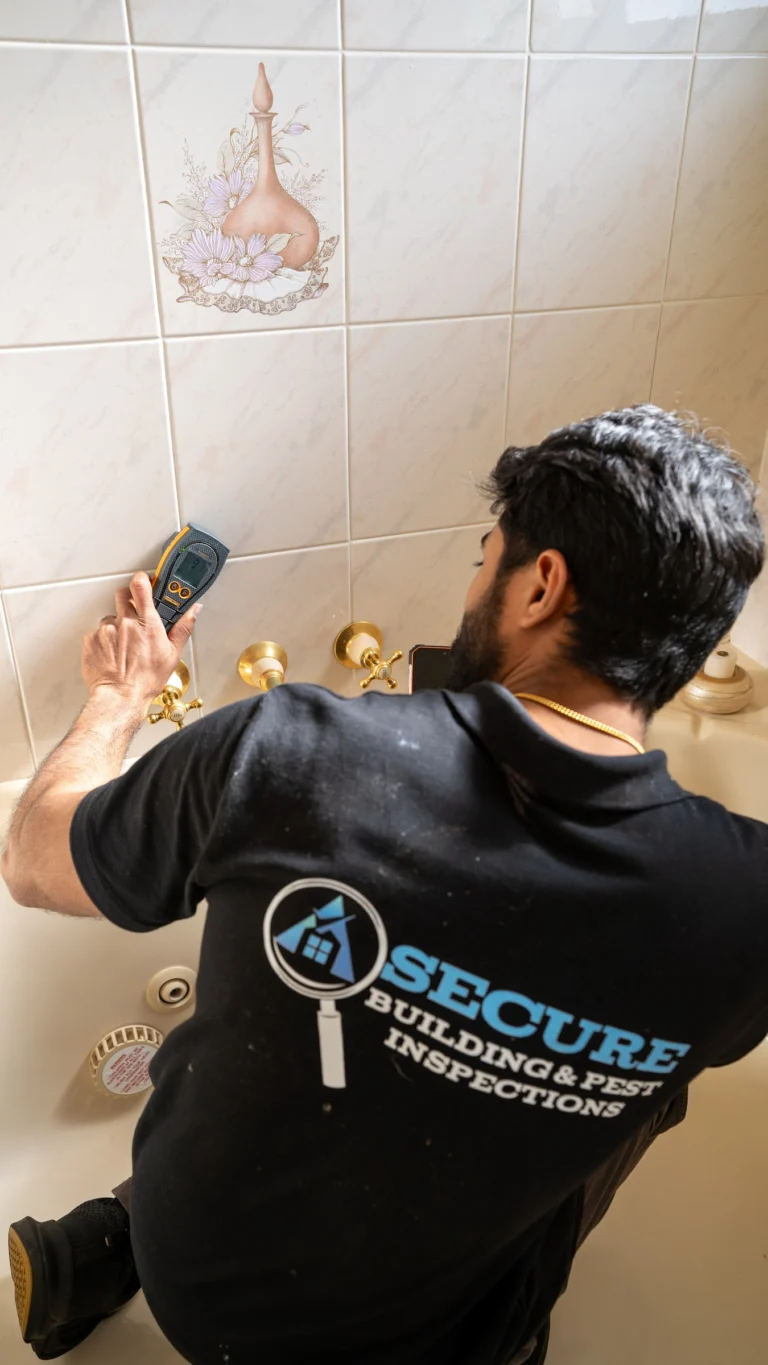
Follow the signs of moisture.
Moisture readings help investigate areas of concern and guide further checks. They are interpreted alongside visible conditions.
What a reading can tell you +
An elevated reading may indicate moisture in a material. It does not, by itself, establish the source or extent of a leak.
Look at temperature patterns.
Surface temperature differences can highlight an area that needs closer investigation. Thermal imaging does not see through walls.
How thermal imaging helps +
Patterns can support investigation of moisture or insulation concerns. Findings need confirmation; the tool does not guarantee that all concealed issues will be found.